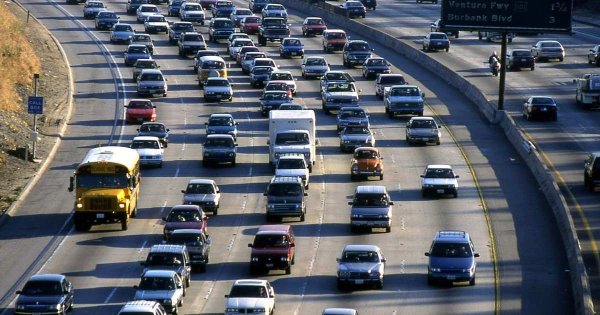
SACRAMENTO, Calif. — California will halt the sale of all new gasoline-powered passenger cars and light trucks beginning in 2035, under an executive order signed Wednesday by Governor Gavin Newsom. The directive, which also targets medium- and heavy-duty trucks for zero-emission status by 2045, is part of the state's broader effort to cut greenhouse gas emissions. Existing gas-powered vehicles will remain legal to own and sell on the used market, according to the governor's office.
Newsom framed the move as a direct response to the climate crisis, which he described as the most pressing issue facing the state and the nation. “This is the most impactful step our state can take to fight climate change,” he said in a statement. He also tied the policy to California's experience with wildfires and air quality, noting that cars should not contribute to smoky skies or rising sea levels that threaten coastal communities.
The executive order does not immediately ban the sale of gas cars but sets a clear regulatory trajectory. Automakers will need to accelerate their transition to electric and other zero-emission vehicles to meet the 2035 deadline. Newsom expressed hope that the mandate would spur innovation and lower costs for alternatives to combustion engines.
In a related announcement, Newsom said he is seeking to end fracking in California by 2024. Fracking, a method of extracting oil and gas, has been criticized for its environmental and safety risks. The proposed ban would complement the vehicle emission rules, though the timeline for implementation remains subject to regulatory review.
Contrast with Federal Stance
The California order stands in stark contrast to the position of the Trump administration, which has repeatedly questioned the science of climate change. During a meeting with Newsom in Sacramento last week, President Trump remarked, “It’ll start getting cooler. You just watch,” according to the LA Times. That comment underscores the widening gap between state and federal environmental policies.
California has historically led the nation in setting stricter vehicle emission standards, often under waivers from the federal government. The new order builds on that legacy, but it also raises questions about implementation, including infrastructure for charging stations and the availability of affordable electric vehicles for all income levels.
The 2035 target aligns with similar commitments from other jurisdictions, though California’s size makes it a significant player in the auto market. Automakers selling in the state will need to adjust their product plans accordingly, which could have ripple effects nationwide.
For now, Californians can continue to drive and trade in gasoline-powered vehicles. The ban applies only to new vehicle sales, not to existing ownership or the used car market. This distinction is intended to ease the transition for consumers while pushing the industry toward cleaner technology.
Environmental groups have largely welcomed the order, though some have called for more aggressive timelines. Industry representatives have cautioned about the challenges of meeting such targets, citing battery costs and charging infrastructure. The state has yet to release detailed regulations, which will be developed in the coming months.
The move is part of a broader climate agenda by Newsom, who has also pledged to protect California's coastline and reduce air pollution. Whether other states will follow California's lead remains to be seen, but the order signals a major shift in the nation's largest auto market.
Comments 0