
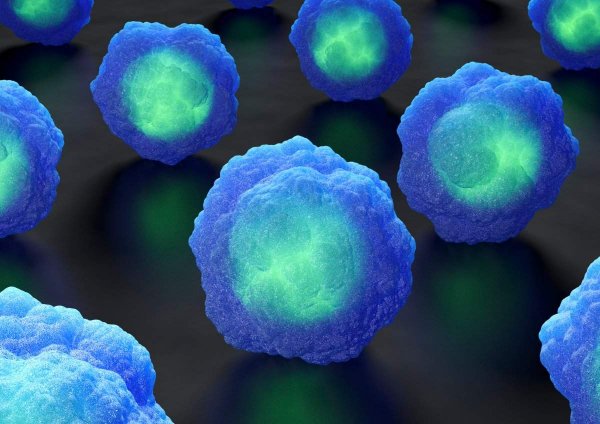
In a development that could reshape reproductive biology, a collaborative team from the Salk Institute in California and Peking University in China has engineered a novel class of stem cells capable of giving rise to both an embryo and the tissues that support its growth. The work, published in the journal Cell, introduces what the researchers call extended pluripotent stem cells (EPS cells), which differ fundamentally from the induced pluripotent stem cells (iPS cells) first created in 2006.
While iPS cells, derived from skin fibroblasts, can be coaxed into any cell type in the body, EPS cells go a step further. They retain the ability to differentiate into all bodily tissues but also possess the unique capacity to generate extra-embryonic tissues—the placenta and other supportive structures that sustain an embryo during early development. This dual potential has not been seen before in lab-grown stem cells.
The breakthrough emerged from experiments where researchers cultured both embryonic and extra-embryonic cells in an immature state using a "chemical cocktail" of four compounds plus a growth factor. This stable environment allowed the team to observe how the two cell populations interact and to harness their distinct roles. The findings suggest a universal method for establishing stem cells with extended developmental potency in mammals, according to Jun Wu, a senior scientist at the Salk Institute and co-author of the study.
Why This Matters for Reproductive Science
Understanding how these two cell types coordinate is critical because the process occurs extremely early after fertilization, making it difficult to study in natural conditions. By recreating this environment in the lab, researchers hope to uncover the mechanisms that drive successful implantation and early development. This could also shed light on what goes wrong in cases of miscarriage, where these early steps often fail.
The practical applications extend beyond basic biology. EPS cells could be used to model diseases, regenerate damaged tissues, and test new drug therapies in a controlled setting. They also offer a platform for studying implantation in depth, which has been a challenge for reproductive scientists.
Ethical Boundaries and Future Directions
Although the cells are theoretically capable of forming an entire embryo, the team has not attempted to create a human embryo due to ethical considerations. They did, however, successfully sustain both human and mouse cells in their cultures. The researchers also note that EPS cells could be valuable for creating chimeras—mixing cells from different species—which might eventually help engineer organs for transplant, though such applications remain speculative.
The discovery adds a new dimension to stem cell research, which has already transformed regenerative medicine since the advent of iPS cells nearly two decades ago. As the field advances, the ability to recreate early developmental processes in the lab could prove instrumental in addressing fertility issues and understanding congenital conditions.
For now, the work stands as a proof of concept, demonstrating that nature still holds surprises for scientists who probe its limits.
Comments 0