
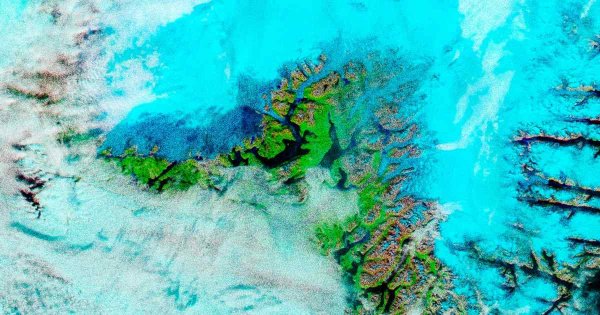
In a first since measurements began, rain fell at Greenland's Summit Station, a remote research outpost perched atop the island's vast ice sheet. The downpour, which delivered an estimated 7 billion tons of water, triggered a melt event that stretched across 337,000 square miles—roughly half of the ice sheet's surface area, according to a report by Earther.
The event marks only the third time this decade that temperatures at the summit have risen above freezing, and the first time such a thaw has occurred so late in the calendar year. It also comes just two weeks after another significant melt episode, signaling a rapid acceleration in the region's warming trend.
Scientists monitoring the ice sheet have long warned that Greenland is a bellwether for climate change. The recent rain, rather than snow, is a stark indicator of shifting conditions. Rainwater, darker and smoother than the reflective white snow that typically blankets the region, absorbs more solar radiation, potentially accelerating further warming and melting.
The implications extend far beyond the Arctic. According to Earther, if Greenland's ice continues to melt at current rates, global sea levels could rise by as much as one foot by 2100. Such a rise would imperil coastal communities worldwide, from Florida's low-lying peninsula to California's shoreline and numerous other vulnerable regions.
While the immediate meltwater may refreeze, the new ice formed from rainwater is less reflective and more prone to absorbing heat, creating a feedback loop that could hasten future melting. The long-term outlook, researchers say, depends on urgent global action to curb greenhouse gas emissions.
The event has renewed calls for policy makers to heed the warnings of climate scientists, who have described the situation as a "code red for humanity" in a recent UN report. As the Arctic continues to warm at twice the global average, events once considered unthinkable are becoming part of the new normal.
Comments 0