
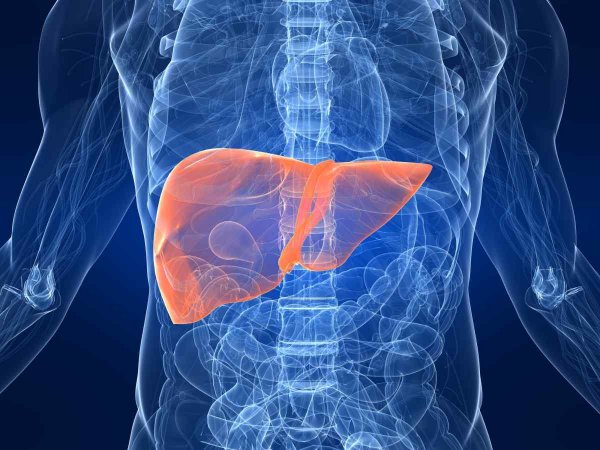
In a development that could reshape the future of organ transplantation, researchers at the US biotech firm Miromatrix have demonstrated a method to convert pig organs into scaffolds that can be repopulated with human cells. The technique, called “decel/recel,” involves dissolving the cellular material of pig organs to leave behind a protein framework that retains the organ's original architecture. This scaffold can then be seeded with human cells, which naturally migrate to the appropriate locations within the structure.
The approach builds on two decades of research into growing organs from stem cells and genetically modifying pig organs to reduce rejection. By combining these concepts, Miromatrix aims to overcome the chronic shortage of donor organs, a crisis that leaves thousands of patients on waiting lists each year, many of whom die before a suitable organ becomes available.
Jeff Ross, a scientist at Miromatrix, described the significance of the method in an interview with New Scientist, noting that it “takes tissue engineering from a single layer to whole organs.” This leap from simple cell cultures to complex, three-dimensional organs is a critical step toward viable lab-grown transplants.
In initial experiments, the team successfully created liver scaffolds using pig cells. When these were implanted back into pigs, the organs were not rejected, as the animals' immune systems did not recognize the pig-derived scaffold as foreign. This early success suggests that the decellularization process effectively removes the antigens that trigger immune responses.
The next phase involved introducing human cells into the liver scaffolds. Using cells from human umbilical cords, the researchers re-engineered the blood vessel networks within the scaffold. When these reconstructed livers were transplanted into pigs, the human-derived vessels survived and allowed blood to flow through the scaffold, though the organs were eventually rejected because the vessels were of human origin. These findings were presented at the American Association for the Study of Liver Diseases meeting in Washington DC this month.
Challenges Remain in Cell Behavior
While the decel/recel technique has shown promise, experts caution that the process of repopulating the scaffold is not the main hurdle. Laura Niklason, a researcher at Yale University who uses a similar method to build blood vessels and lungs, told New Scientist: “The decellularisation and repopulation is not the tricky part–the tricky part is getting all the cells you put back in to behave properly.” Ensuring that the introduced cells function correctly within the scaffold—maintaining the right gene expression, spatial organization, and physiological responses—is a complex challenge that remains unsolved.
Despite these obstacles, the progress reported by Miromatrix offers a tangible step toward the goal of generating transplantable organs. If the technique can be refined to produce fully functional organs, it could dramatically reduce waiting times and eliminate the risk of rejection for many patients. However, researchers emphasize that the method is still in its early stages, and years of additional study and clinical trials will be needed before it can be applied to human patients.
The potential impact of such technology extends beyond liver transplants. The decel/recel approach could theoretically be applied to other organs, such as kidneys, hearts, and lungs, which are also in high demand. As the field progresses, the dream of a future where organ transplant waiting lists become obsolete may move closer to reality, offering hope to the millions of people worldwide who depend on donor organs for survival.
Comments 0