
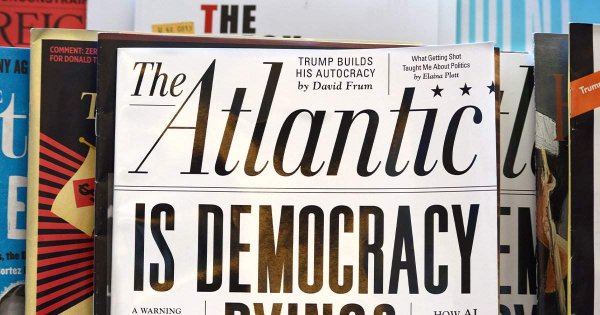
Journalists at The Atlantic are pressing their leadership to include the newsroom in decisions about the magazine's artificial intelligence partnership with OpenAI, according to a letter reported by Semafor. The letter, addressed to CEO Nicholas Thompson and editor-in-chief Jeffrey Goldberg, argues that staff should have a voice in how their work is used by the ChatGPT maker.
The partnership, announced in May, was touted by Thompson as a way to make The Atlantic a "premium news source within OpenAI" as the company expands into search. At the time, he said AI-driven search would become a fundamental way people navigate the web, and the deal would increase the magazine's discoverability among OpenAI's millions of users.
But the staff letter, first reported by Semafor's Max Tani, says recent developments have deepened their unease. The journalists point to ChatGPT's tendency to "hallucinate," fabricating links to partner publications and directing readers to aggregations of original reporting instead of the magazine's own site. That, they argue, undermines the partnership's purpose and costs The Atlantic clicks, advertising revenue, and potential subscribers.
The letter also cites OpenAI's conduct in its ongoing copyright lawsuit with The New York Times. The AI company recently demanded access to reporters' notes and interview materials, a move the staff describe as "incredibly troubling" and a challenge to journalistic protections.
Why the Newsroom Is Pushing Back
The staff's concerns go beyond product flaws. They argue that the partnership, whose financial terms remain undisclosed, was a major win for OpenAI, which has also struck deals with Vox Media, News Corp, TIME, and others. But the journalists insist that the magazine's editorial standards, built over more than 150 years, cannot be secondary to commercial interests.
"AI cannot replace journalists, and no publication that aspires to the standards The Atlantic has embodied for more than a century and a half can allow that to happen," the letter reads. The staff is calling for a "meaningful proposal on AI" at the bargaining table, emphasizing that the union and management should not be at odds over this issue.
The tension highlights a broader debate in media: as AI companies seek content to train their models and power search features, newsrooms are increasingly questioning whether such deals protect their journalism or simply feed the machines that could replace them.
Comments 0