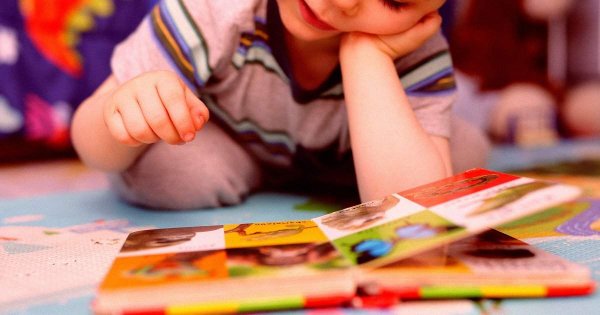
Across the country, a new family friction point has emerged: grandparents using artificial intelligence to craft personalized storybooks for their grandchildren. While the gifts are often intended as heartfelt keepsakes, many parents are voicing alarm over both the quality of the stories and the privacy implications of feeding children's images and personal details into AI systems.
The trend gained attention through a recent Wired report, which highlighted how services like Imagitime, StoryWonderBook, and Childbook.ai let users insert a child's likeness and family names into AI-generated narratives. One parent, posting on Reddit, described repeated attempts to stop their mother from using the technology, writing that they had “drawn a hard line” against sharing photos or identifying information. The grandparent, however, continued to create stories based on real family experiences, using first names so the child would “see her family reflected.”
For many parents, the issue is not just about aesthetics but about consent and data security. Daozhi Xu, a researcher at Macquarie University who analyzed the “AI children's book boom,” told Wired that a key concern is the lack of transparency around how children's photos are stored and used on AI platforms. Xu noted that images could potentially be shared with third parties or used to train AI models, a risk that many families may not fully consider.
Beyond privacy, there is the question of whether these books actually appeal to children. One father of a seven-year-old and a three-year-old told Wired that his kids were “bored” by the personalized books they received. “They are so long and wordy that, after one time through, each of my kids was like, ‘Yeah, OK, let’s read Little Blue Truck,'” he said, referring to the popular series by author Alice Schertle.
Why Kids May Not Connect
Xu's research suggests that children are not won over simply by seeing their name or face in a story. “Children do not love a storybook simply because their name or image appears in the story; they love the book because the story itself is interesting,” Xu told Wired. Compared with human-authored books, AI-generated stories often lack humor, memorable characters, and dramatic tension, according to Xu.
That sentiment was echoed by Brandon Kirman, a comedian and artist, whose parents gave his two daughters—ages four and two—an AI-generated book about activities they enjoy together. Kirman described the gift as “well-meaning on their end, but f**king yikes,” and noted that the children were far less enthusiastic about it than they were about other books.
An Industry Grows Amid Concerns
Despite the backlash, the market for AI-crafted children's books appears to be expanding. Several platforms now offer simple tools to generate custom stories, making it easy for relatives to create personalized gifts without needing artistic or writing skills. But as the practice grows, so do the questions about its long-term effects on family dynamics and child privacy.
For parents, the challenge is balancing appreciation for a grandparent's gesture with their own concerns about AI's role in their child's life. Some have tried to set boundaries, but as the Reddit post illustrates, those boundaries are not always respected. The result is a new kind of intergenerational conflict, one that pits the novelty of AI-generated creativity against the more traditional values of storytelling and privacy.
As Xu's research indicates, the issue is not just about the books themselves but about the broader implications of using AI in personal and family contexts. With little regulation or oversight, the onus is on parents and grandparents to think carefully about what they share and how it might be used.
Comments 0