
Filter
Tags
All News
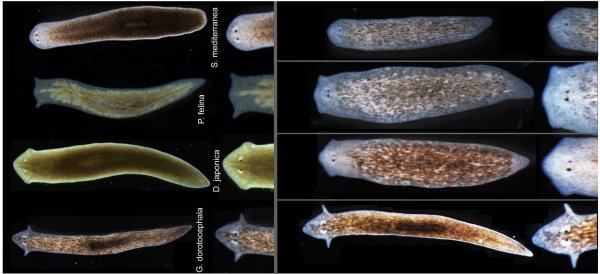
Flatworms Grow Foreign Heads and Brains in Tufts Bioelectric Experiment
Tufts University researchers induced one flatworm species to grow heads and brains of another species without altering its genome, by manipulating electrical signals between cells. The study, published in November 2015, suggests anatomy is not solely determined by DNA and could inform future regenerative medicine approaches.
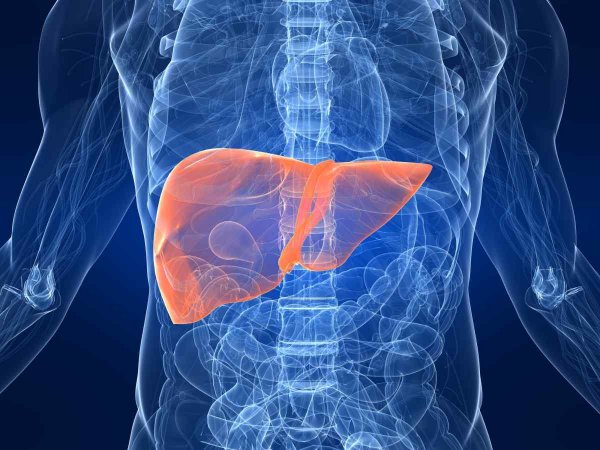
Pig Organs as Scaffolds: New Path to Lab-Grown Human Transplants
A US biotech firm has developed a technique that strips pig organs of their cells, leaving a protein scaffold that can be repopulated with human cells. Early experiments show blood vessels can survive in pigs, offering a potential solution to the organ shortage crisis.
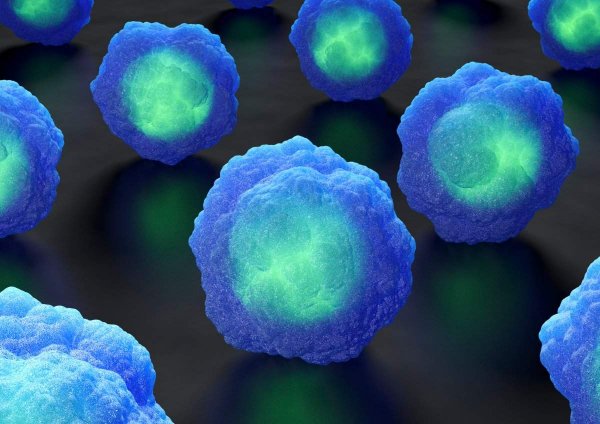
New Stem Cell Type Could Recreate Early Embryo Development
Scientists from the Salk Institute and Peking University have created a new type of stem cell that can form both embryonic and supportive tissues, potentially unlocking secrets of early human development and disease modeling.
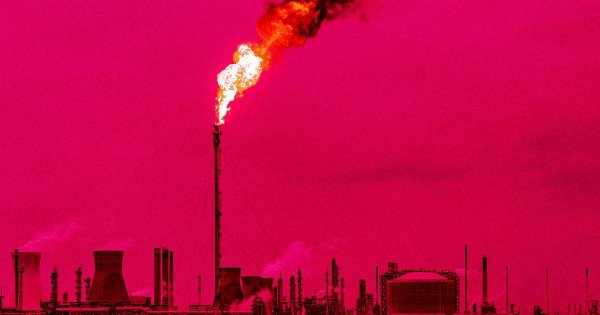
UN Report: Oil Giants Plan Record Fossil Fuel Output by 2030
A new UN report warns that major oil-producing nations, including the US, Russia, and Saudi Arabia, are set to extract record amounts of fossil fuels by 2030, despite climate pledges. The report highlights a widening gap between stated goals and actual plans, with most top producers exceeding safe levels. UN Secretary-General António Guterres criticized the 'double down' on fossil fuels as 'double trouble' for people and planet.

Mayonnaise Helps Physicists Model Fusion Capsule Instability
Researchers at Lehigh University are using mayonnaise to study the instability that causes fusion capsules to fail. The condiment mimics molten metal under extreme conditions, offering a low-cost way to refine inertial confinement models. Their findings appeared in Physical Review E.
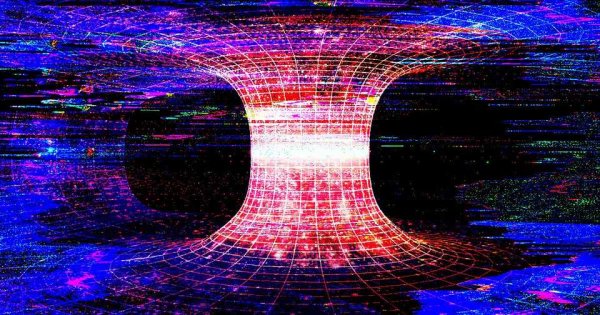
Quantum Simulation Sparks Media Hype Over Wormhole Claims
A quantum computer simulation of a wormhole was widely misreported as an actual wormhole. Experts criticize the misleading headlines and explain the difference between simulation and reality.

Why Some Birds Collect Cigarette Butts for Their Nests
A new study reveals that Eurasian blue tits in Europe incorporate cigarette butts into their nests to repel parasites, improving their chicks' health. The behavior, observed across several bird species, highlights an unexpected evolutionary adaptation to human litter, though the broader ecological damage of discarded butts remains severe.
Chemical Keys on Napkins Could Replace Digital Passwords for Spies
Researchers at Germany's Karlsruhe Institute of Technology are developing chemical cryptography, using molecules as physical encryption keys that could be hidden in napkins. With a library of 500,000 molecular keys, this approach offers a new layer of security for high-stakes intelligence, potentially using DNA in the future.

Greenland Summit Sees First Rain on Record, Triggering Massive Melt
For the first time on record, rain fell at Greenland's Summit Station, unleashing 7 billion tons of water and melting ice across half the ice sheet. The event, which follows a similar melt two weeks earlier, underscores the accelerating pace of Arctic warming and its global consequences.
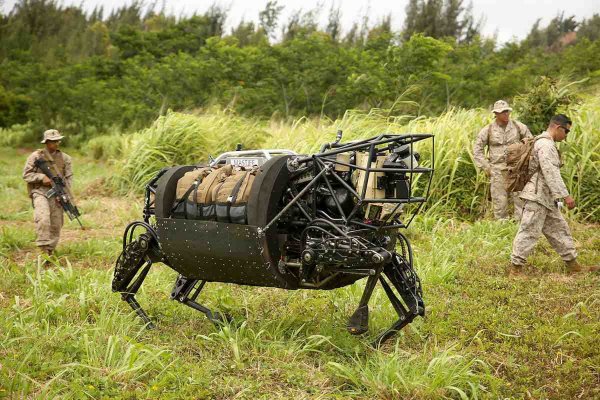
Marines Shelve Robotic Pack Mule Over Loud Engine Concerns
The U.S. Marine Corps has ended its pursuit of the LS3 robotic mule, a DARPA-backed project intended to carry heavy gear for troops, because the machine's loud gas engine could reveal soldiers' positions. The decision marks a setback for broader military robotics goals but yields lessons for future designs.
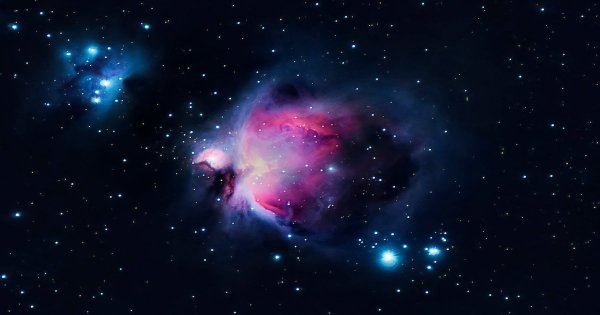
Cosmic Evolution: The Universe Might Be Learning Its Own Physics
A new paper from researchers at Microsoft, Brown University, and a Disney consultant suggests the universe's laws may evolve over time, akin to biological adaptation. The theory, published in 'The Autodidactic Universe,' posits that cosmic rules could emerge through a self-teaching mechanism, though experts urge caution as it remains unpeer-reviewed.
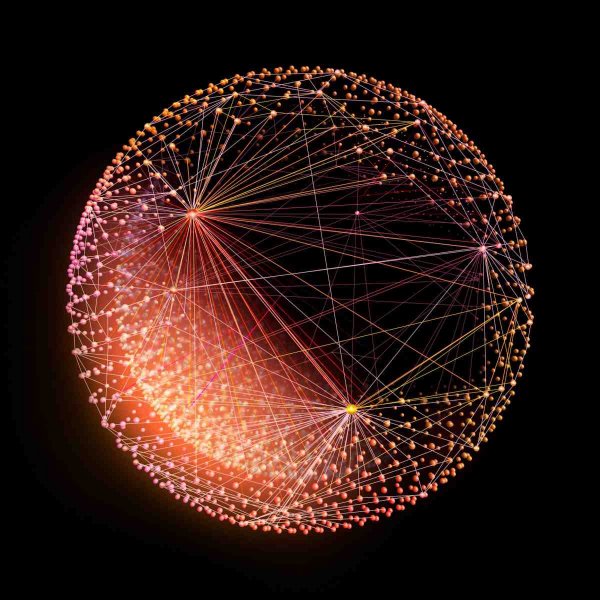
Quantum Self-Testing Method Promises Easier Verification of Entangled States
Researchers from the National University of Singapore and Caltech have proposed a simpler method to certify two-particle entangled quantum states without complex tomography. Their device-independent approach, published in Nature Communications, could make quantum device testing accessible to consumers and engineers, enhancing reliability in quantum computing and cryptography.
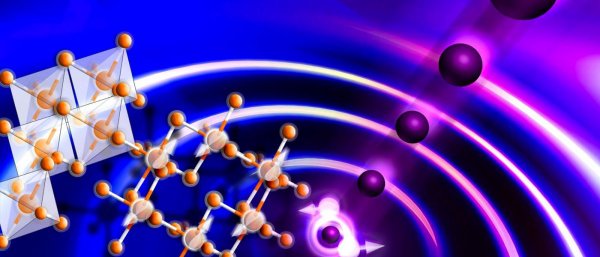
Quantum Spin Liquid Observed: Electrons Split in 2D Crystal
An international research team has observed a quantum spin liquid in a 2D material, where electrons split into fractional particles, a phenomenon first theorized over 40 years ago. Using neutron scattering on RuCl3 crystals, they provided the first direct evidence of this exotic state, which could enable quantum computing.
New Measurement Widens Cosmic Expansion Debate
A University of California, Davis team has calculated the Hubble Constant at 77 km/sec/Mpc, adding to a growing list of divergent measurements. This discrepancy challenges our understanding of the universe's expansion, with scientists debating whether errors or new physics are at play.
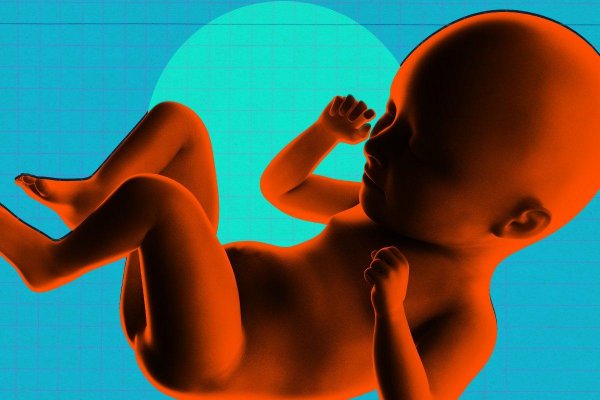
Private Firm Pursues First U.S. Gene-Edited Birth, Report Says
A privately funded startup, Preventive, is reportedly working to create the first gene-edited baby outside China, targeting a hereditary disease. The effort, backed by tech billionaires, operates in a legal gray area because U.S. federal bans apply only to publicly funded research. The company denies active patient discussions, while scientists call for a global moratorium.
Quantum Surprise: 350-Year-Old Pi Formula Emerges from Hydrogen Atom
Physicists at the University of Rochester stumbled upon a 350-year-old formula for pi while calculating hydrogen atom energy levels. The discovery, published in the Journal of Mathematical Physics, reveals an unexpected link between quantum mechanics and a classic mathematical series. This accidental finding highlights the serendipitous nature of scientific research.
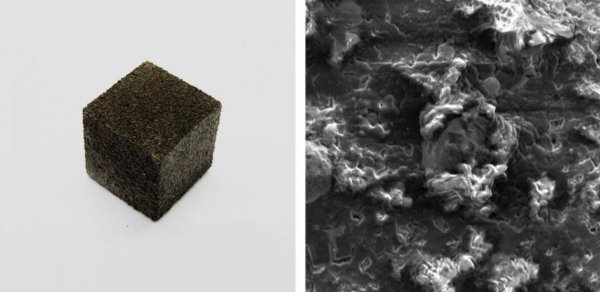
Sugar and Nickel Yield Scalable Graphene Foam in New 3D Printing Method
Researchers from Rice University and Tianjin University developed a room-temperature 3D printing method using sugar and nickel to create centimeter-sized graphene objects with 99% air porosity. The process could overcome a key barrier to mass production of the ultra-strong, conductive material.

Actor Robert Downey Jr. launches tech initiative to tackle climate damage
At Amazon's re:MARS conference, Robert Downey Jr. announced Footprint Coalition, a new initiative exploring how robotics and AI could help repair environmental damage. The project, slated for an April 2020 launch, currently offers few specifics but signals the actor's shift from on-screen hero to real-world environmental advocate.
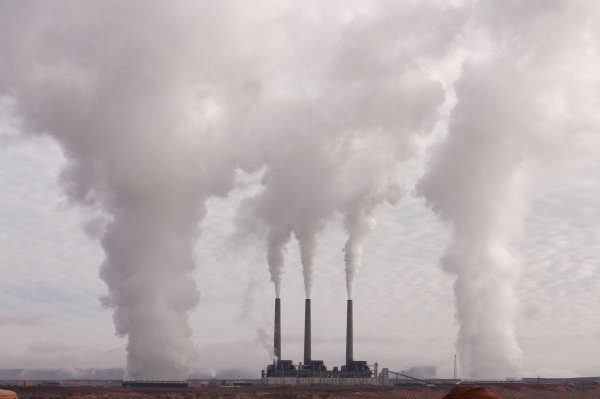
PNNL Scientists Unlock Key Step to Convert CO2 into Fuels and Chemicals
Researchers at the Pacific Northwest National Laboratory have identified a critical intermediate, formate, that controls whether carbon dioxide is converted into methane or carbon monoxide. Their findings, published in Nature Communications, could pave the way for using CO2 as a feedstock for fuels and chemicals, offering a complementary strategy to emissions reduction.
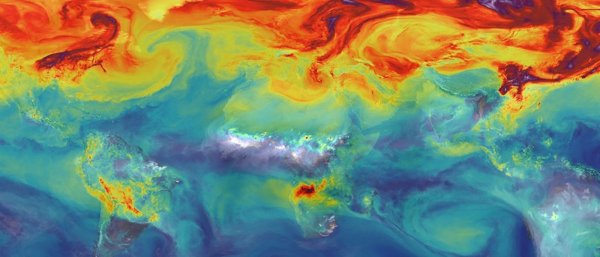
Global CO2 Benchmark Permanently Crossed, Scientists Warn
The World Meteorological Organization reports that 2016 will likely be the first full year with CO2 levels above 400 ppm, a threshold scientists say may never be crossed again. The Paris climate agreement, set to take effect in November, offers a potential path forward, but experts warn of an unprecedented climate era.